Deconfined Font Review
A Designer’s Take on Real-World Use
As a designer who spends a lot of time evaluating embroidery files for both personal and commercial use, I’ve had the chance to test out the Deconfined Font in various contexts. What stood out immediately was its clean, modern aesthetic that feels both approachable and professional. This font isn’t just about letters—it’s about creating a visual statement that can elevate a project from ordinary to memorable.
The First Impression
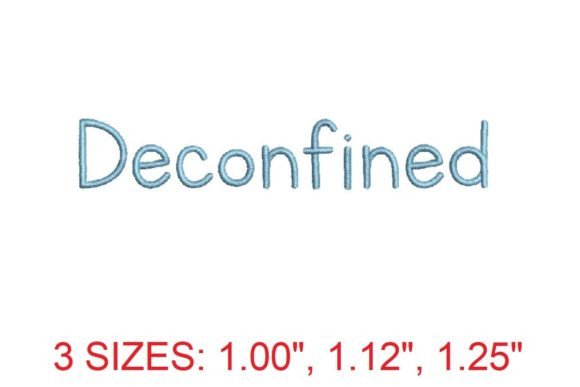
The first thing I noticed about the Deconfined Font was its balance between simplicity and detail. The letterforms are well-proportioned, with subtle curves and consistent spacing that make reading easy while still maintaining a stylish edge. It has a friendly yet refined vibe that makes it suitable for a wide range of applications—from casual wear to more formal handmade items.
Visually, it leans toward a contemporary design language that feels current without being overly trendy. This makes it a versatile choice for those looking to create designs that remain relevant across seasons and styles.
Real-Life Scenario: Custom Tote Bag Design
Let’s imagine a real-world scenario: preparing a custom embroidered tote bag for a Back To School event. The client wants something eye-catching but not too busy. The Deconfined Font fits perfectly here. Its clean lines and minimalistic approach allow it to stand out without overwhelming the rest of the design.
I tested the font on a scrap piece of fabric, and the stitching came through clearly. The contrast between the thread color and fabric texture made the text readable even from a distance. It’s important to note that this font works best when paired with a neutral background or a complementary color scheme. For example, using a white or light gray thread on a dark fabric creates a striking effect, while a darker thread on a light fabric offers a softer look.
Performance in Different Embroidery Projects
The Deconfined Font performs admirably in a variety of projects. On custom apparel like sweatshirts and t-shirts, it adds a personalized touch without overpowering the garment. For baby clothes, its soft, rounded shapes feel gentle and welcoming, making it ideal for nursery decor or gift items.
In patch designs, the font’s clarity ensures that each letter is legible even when stitched at a smaller scale. However, it’s worth noting that the font may require careful placement on curved surfaces like caps or hats. A slight adjustment in positioning can help maintain readability and aesthetic appeal.
When applied to holiday gifts or seasonal products, the Deconfined Font brings a sense of occasion without being too elaborate. It’s especially effective on items like pillow covers, tea towels, and kitchen linens where simplicity often speaks louder than complexity.
Where to Use Carefully
While the Deconfined Font is highly adaptable, there are situations where it might need extra attention. For instance, on small hoop sizes, the details can become cramped, leading to potential stitch issues. Similarly, on textured or stretchy fabrics, the font may not render as cleanly, so using a proper stabilizer is essential.
Dark fabrics can also pose a challenge, as the contrast between the thread and the background may not be sufficient. In such cases, testing the design in black and white mockups before finalizing is a wise step. Additionally, dense stitch areas or intricate corners should be inspected closely to ensure they don’t compromise the overall appearance.
Visual Appeal and Product Value
The Deconfined Font contributes significantly to the visual appeal of any embroidery project. Its clean, modern look adds a level of professionalism that can enhance the perceived value of a handmade product. Customers often respond positively to designs that feel intentional and well-crafted, which is exactly what this font delivers.
From a branding perspective, consistency is key. Using the Deconfined Font across multiple products helps build brand recognition, especially for Etsy sellers or small shop owners looking to establish a cohesive style. It’s also a great choice for digital product sellers who need scalable, repeatable assets for their online stores.
Practical Designer Notes
Before using the Deconfined Font in a finished product, always test it on scrap fabric. Check the thread color contrast, review the stitch density, and confirm the hoop size. Pay close attention to small details, especially if you’re working with thin or delicate fabrics.
For commercial use, ensure you have the proper licensing rights. Whether you’re creating a custom embroidered patch or a printable mockup for a digital listing, knowing your rights protects both you and your customers.
Finally, consider how the Deconfined Font will look in different lighting conditions. A design that looks great in daylight may not translate well under artificial lights, so testing in various environments is a smart move.
Final Thoughts
The Deconfined Font is a solid choice for designers, crafters, and small business owners looking for a versatile, clean, and modern embroidery solution. It works well in a range of applications, from custom apparel to holiday gifts, and its adaptability makes it a valuable asset in any creative toolkit.
With the right preparation and attention to detail, the Deconfined Font can elevate your embroidery projects and help you deliver high-quality, visually appealing results that resonate with your audience.