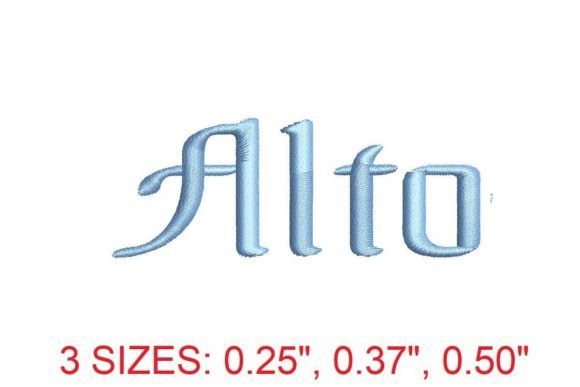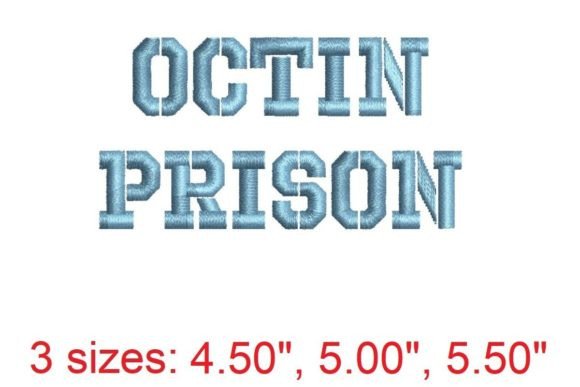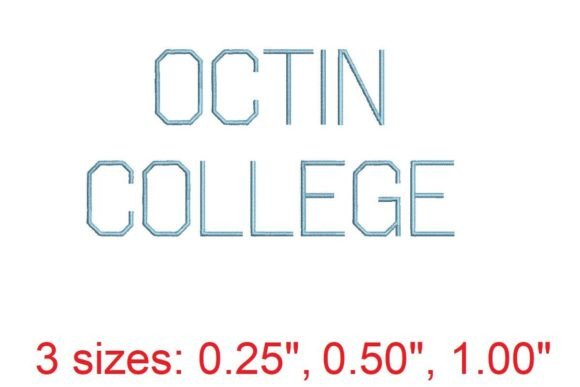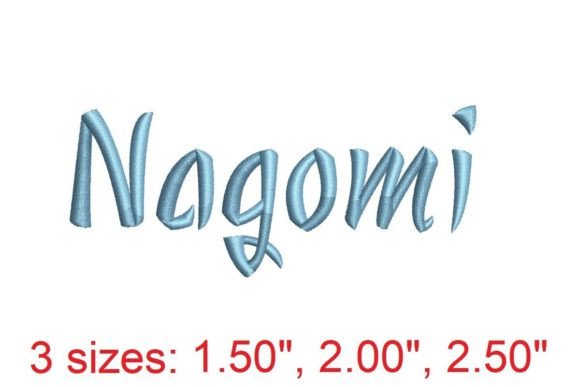
Old Oxford Embroidery Font
A Timeless Choice for Personalized Gift Projects
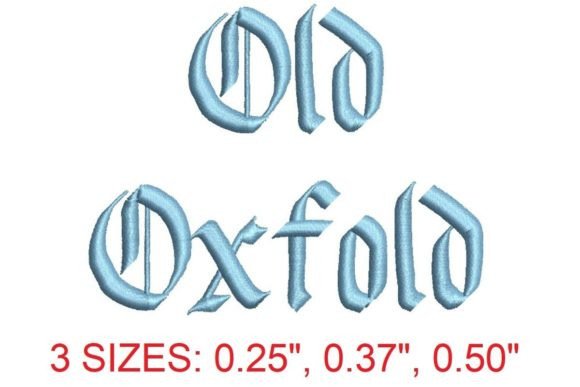
As an experienced embroidery designer, I recently tested the Old Oxford Embroidery Font for a personalized gift shop before using it on real customer orders. The font immediately caught my attention with its elegant and refined look, making it a strong contender for a wide range of handmade products.
The first impression of the Old Oxford Embroidery Font is one of classic charm and intricate detail. Each letterform feels handcrafted, with subtle flourishes that add character without overwhelming the design. It exudes a sense of sophistication and warmth, making it ideal for projects that aim to evoke emotion and personal meaning.
This font is particularly well-suited for personalized gifts like baby blankets, kitchen towels, pillow covers, and custom tote bags. Its timeless appeal makes it a versatile choice for both back to school and seasonal items, offering a refined touch that appeals to a broad audience.
Perfect for Baby Embroidery and Family Keepsakes
When considering baby embroidery, the Old Oxford Embroidery Font stands out for its delicate yet readable lettering. It works beautifully on soft fabrics like cotton or flannel, where the intricate details can be appreciated without being too busy. This font is especially effective for names, monograms, and meaningful phrases that parents want to stitch into their children's belongings.
For wedding gifts and family keepsakes, the Old Oxford Embroidery Font adds a layer of elegance and tradition. Whether used on aprons, embroidered towels, or quilted pillow covers, it creates a sense of lasting value and emotional connection. Its classic style ensures that these handmade products remain relevant and cherished over time.
Where to Use the Old Oxford Embroidery Font Carefully
While the Old Oxford Embroidery Font is versatile, there are situations where it may require more careful consideration. For instance, small lettering might not translate well on thick towels or stretchy baby clothes. Delicate details could also be lost on dark fabric, so it’s important to test the design on a printable mockup before committing to a finished product.
Additionally, curved surfaces or textured fabrics can affect how the design looks when stitched. A digital embroidery file should be reviewed for proper stitch density and hoop size to ensure the best results. Using the right stabilizer is crucial, especially when working with fabrics that require extra support during stitching.
It’s also wise to compare light and dark fabric mockups to see how the font performs in different settings. Small details, such as serifs or decorative elements, should be checked after stitching to ensure they are visible and well-defined.
Enhancing Giftability and Perceived Value
The Old Oxford Embroidery Font has a significant impact on the giftability of a product. Its classic and refined appearance elevates the perceived value of a handmade item, making it more appealing to customers looking for quality and thoughtfulness.
When used on custom embroidery projects, this font helps build customer trust by suggesting a level of craftsmanship and care. It enhances the overall aesthetic of the finished product, which is essential for small shop products and Etsy sellers aiming to stand out in a competitive market.
Moreover, the font’s emotional appeal contributes to a stronger connection between the buyer and the product. Whether it’s a name stitched onto a baby blanket or a special message on a wedding keepsake, the Old Oxford Embroidery Font adds a personal touch that resonates with customers.
Practical Embroidery Notes for Success
To ensure the best results when using the Old Oxford Embroidery Font, I recommend following a few key steps. First, always test the design on scrap fabric to assess how it looks and feels. Check thread color contrast to ensure readability and visual appeal.
Confirm the appropriate hoop size and stitch density to avoid issues with tension or distortion. Using the right stabilizer is also essential, especially for delicate or textured fabrics. Compare light and dark fabric mockups to see how the design translates across different materials.
After stitching, take the time to check small details to ensure everything is clear and well-executed. Finally, confirm that you have the proper commercial licensing for the design if you plan to sell finished products.
With the Old Oxford Embroidery Font, you’re not just creating an embroidery design—you’re crafting a meaningful and memorable experience for your customers. Whether it’s a handmade product for a baby, a custom embroidery for a wedding, or a seasonal back to school item, this font brings a timeless elegance to every project.